Risiko Jatuh pada Lansia: Penyebab, Tanda Awal, dan Cara Mencegahnya Sejak Dini
Kejadian jatuh pada lansia di Indonesia meningkat secara signifikan dalam beberapa tahun terakhir, dan dampaknya jauh lebih serius dari yang sering dianggap sepele. Jatuh pada lansia dapat menyebabkan cedera serius seperti patah tulang atau cedera kepala, yang berdampak besar pada kualitas hidup mereka, bahkan mengakibatkan kemunduran fisik, mental, maupun psikososial. Menurut dr. Raymond Posuma, Sp.KFR, MS(K), FIPM (USG), dokter spesialis kedokteran fisik dan rehabilitasi di Seraphim Medical Center, sebagian besar kejadian jatuh sebenarnya bisa dicegah jika risikonya dikenali lebih awal dan ditangani dengan pendekatan yang tepat.
Kenapa Lansia Lebih Rentan Jatuh?
Ada alasan medis yang jelas di balik meningkatnya risiko jatuh seiring bertambahnya usia. Penurunan massa otot membuat tubuh kurang mampu menopang dirinya sendiri dengan stabil. Gangguan keseimbangan dan koordinasi gerak membuat setiap perpindahan posisi — dari duduk ke berdiri, dari berdiri ke berjalan — menjadi momen yang lebih berisiko dari yang terlihat. Fungsi penglihatan yang menurun mempersulit deteksi hambatan di sekitar. Belum lagi efek samping obat-obatan tertentu yang bisa menyebabkan pusing atau tekanan darah yang tidak stabil.
dr. Raymond Posuma, Sp.KFR, MS(K), FIPM (USG), menjelaskan bahwa semua faktor ini tidak datang sendiri-sendiri — faktor-faktor tersebut sering hadir bersamaan, dan kombinasinya itulah yang membuat risiko jatuh pada lansia jauh lebih tinggi dari yang sering disadari.
Di luar faktor fisik dan medis, lingkungan sekitar juga memainkan peran yang tidak kecil. Lantai yang licin, pencahayaan yang kurang terang terutama di malam hari, tidak adanya pegangan di area yang sering digunakan, atau permukaan yang tidak rata — semua ini bisa menjadi pemicu yang mengubah momen biasa menjadi kejadian yang berbahaya. Kombinasi antara kondisi tubuh yang berubah dan lingkungan yang tidak mendukung inilah yang membuat risiko jatuh pada lansia menjadi tantangan yang perlu ditangani dari dua sisi sekaligus.
Tanda-Tanda yang Sering Diabaikan Sebelum Jatuh Terjadi
Banyak keluarga baru menyadari ada masalah setelah kejadian jatuh pertama terjadi. Padahal jauh sebelum itu, ada tanda-tanda yang sebenarnya sudah terlihat, hanya saja tidak dikenali sebagai peringatan. Beberapa tanda yang paling sering diabaikan antara lain:
- Sering berpegangan pada dinding atau furnitur saat berjalan
- Langkah yang menjadi lebih pendek dan lebih hati-hati dari biasanya
- Menghindari aktivitas tertentu karena takut tidak seimbang
- Pusing atau sempoyongan saat berdiri dari posisi duduk
- Tubuh yang lebih lama merespons saat kehilangan keseimbangan
Menurut dr. Raymond Posuma, Sp.KFR, MS(K), FIPM (USG),, tanda-tanda ini bukan bagian normal dari proses menua yang harus diterima begitu saja, melainkan sinyal bahwa ada yang perlu dievaluasi dan ditangani sebelum terlambat.
Inilah mengapa deteksi risiko jatuh tidak perlu menunggu sampai kejadian terjadi. Dengan asesmen yang tepat oleh dokter spesialis seperti dr. Raymond Posuma, Sp.KFR, MS(K), FIPM (USG),, risiko bisa diidentifikasi jauh sebelum jatuh menjadi kenyataan, dan dengan penanganan yang terstruktur, risiko itu bisa dikurangi secara signifikan. Mencegah selalu lebih baik dari mengobati, dan dalam konteks jatuh pada lansia, mencegah juga berarti melindungi kemandirian dan kualitas hidup yang jauh lebih panjang.
KINESIQ: Mendeteksi Risiko Sekaligus Melatih Keseimbangan
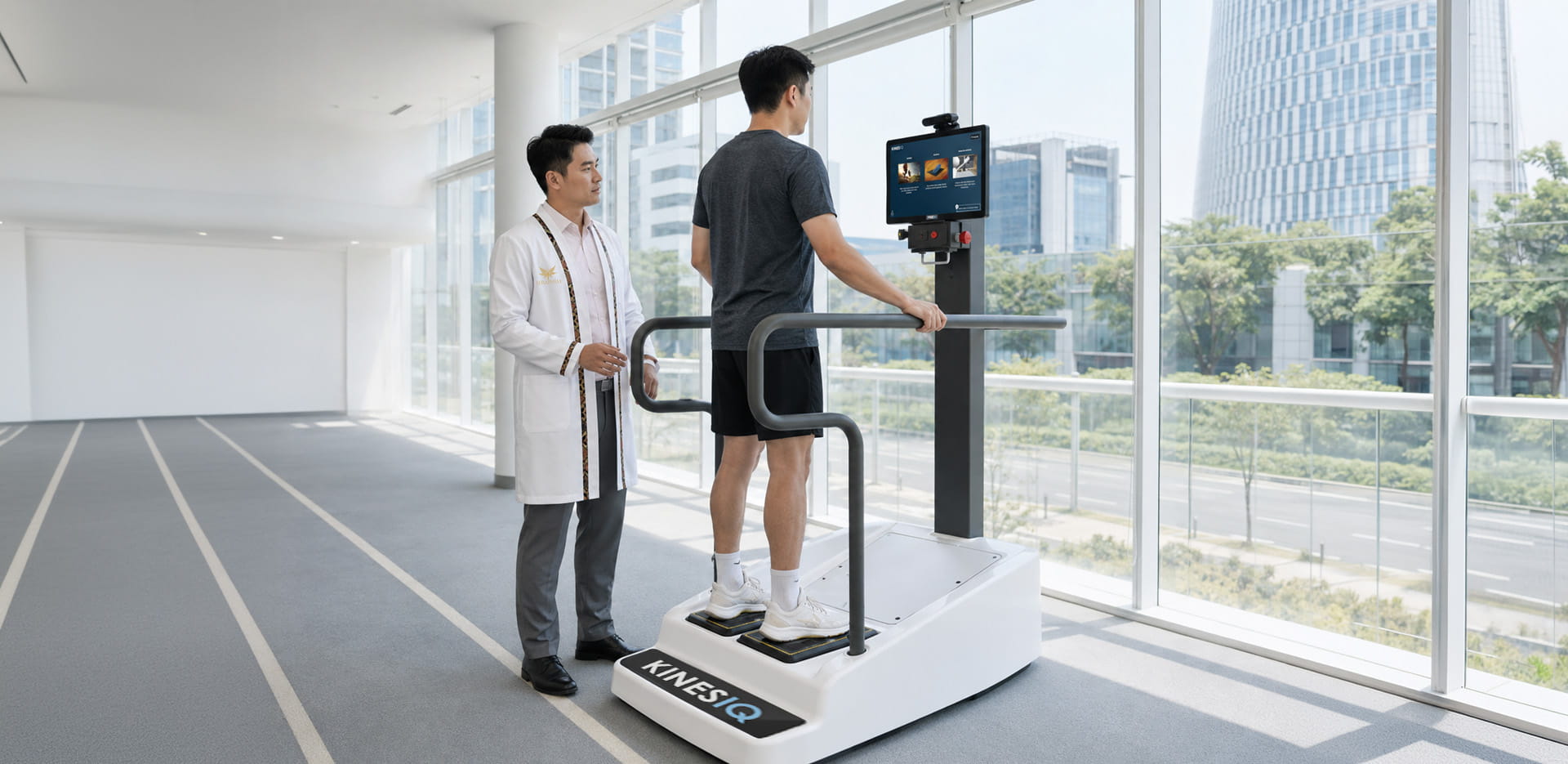
Selama ini pencegahan jatuh pada lansia sering dilakukan dengan cara yang terlalu umum — latihan yang sama untuk semua orang, tanpa benar-benar memahami seberapa besar risiko yang ada pada masing-masing individu. KINESIQ mengubah pendekatan itu. Sebelum latihan apapun dimulai, KINESIQ terlebih dahulu melakukan deteksi menyeluruh, mengukur keseimbangan, kekuatan otot, dan pola gerak untuk mendapatkan gambaran yang akurat tentang kondisi tubuh lansia. Dari hasil itulah program latihan keseimbangan dirancang — bukan program generik, tapi program yang memang sesuai dengan kondisi dan kebutuhan spesifik orang yang menjalaninya. Karena mencegah jatuh bukan soal bergerak lebih banyak, tapi bergerak dengan cara yang tepat.
Di Seraphim Medical Center, KINESIQ digunakan sebagai bagian dari program pencegahan jatuh yang komprehensif, didampingi oleh tenaga medis yang memahami kondisi lansia secara menyeluruh, termasuk dr. Raymond Posuma, Sp.KFR, MS(K), FIPM (USG), sebagai dokter spesialis kedokteran fisik dan rehabilitasi yang menangani asesmen dan program pemulihan pasien. Setiap sesi dimulai dari asesmen awal yang menyeluruh, dilanjutkan dengan program latihan yang disesuaikan, dan dipantau perkembangannya secara berkala. Tujuannya bukan hanya mengurangi risiko jatuh, tapi membantu lansia tetap bergerak dengan aman, mandiri, dan penuh kepercayaan diri dalam aktivitas sehari-hari.
Bukan Hanya Soal Mencegah Jatuh, Tapi Soal Menjaga Kebebasan
Bagi banyak lansia, rasa takut jatuh sering menjadi lebih membatasi dibanding jatuh itu sendiri. Ketakutan ini bisa membuat seseorang mulai mengurangi aktivitas, menghindari keluar rumah sendirian, atau bahkan menjadi lebih bergantung pada orang lain untuk hal-hal sederhana yang sebelumnya bisa dilakukan tanpa pikir panjang. Lambat laun, ruang gerak menjadi semakin kecil, bukan karena tubuh benar-benar tidak mampu, tapi karena rasa percaya pada tubuh sendiri sudah berkurang.
Inilah yang membuat program seperti KINESIQ, di bawah pengawasan dr. Raymond Posuma, Sp.KFR, MS(K), FIPM (USG), menjadi penting bukan hanya dari sisi medis, tapi juga dari sisi kualitas hidup secara keseluruhan. Ketika seseorang tahu bahwa keseimbangan dan kekuatan tubuhnya sudah dievaluasi, dan ada program yang memang dirancang untuk kondisinya, rasa percaya diri itu perlahan kembali. Bukan hanya soal mampu berjalan dengan lebih stabil, tapi juga soal merasa aman untuk tetap aktif, tetap mandiri, dan tetap menjalani hari-hari dengan cara yang biasa dilakukan.
Kapan Waktu yang Tepat untuk Memulai?
Salah satu kesalahpahaman yang paling umum adalah menganggap deteksi risiko jatuh hanya perlu dilakukan setelah seseorang pernah jatuh, atau ketika sudah mulai terlihat sangat lemah. Padahal, semakin awal risiko dikenali, semakin banyak pilihan penanganan yang bisa dilakukan, dan semakin besar pula kemungkinan untuk benar-benar mencegah jatuh terjadi, bukan sekadar menangani setelah terjadi.
Bagi keluarga yang memiliki anggota lansia, memperhatikan tanda-tanda kecil seperti yang sudah disebutkan sebelumnya bisa menjadi langkah pertama yang penting. Bukan untuk menimbulkan kekhawatiran berlebihan, tapi untuk memastikan bahwa jika memang ada risiko, hal itu bisa ditangani lebih awal — dengan cara yang lebih tenang dan terencana, bersama dokter yang tepat seperti dr. Raymond Posuma, Sp.KFR, MS(K), FIPM (USG),.
Langkah Kecil Hari Ini, untuk Kemandirian yang Lebih Panjang
Risiko jatuh pada lansia bukan sesuatu yang harus ditakuti secara berlebihan, tapi juga bukan hal yang sebaiknya diabaikan. Dengan deteksi yang tepat dan program yang sesuai, risiko ini bisa dikelola dengan baik, memberi lansia kesempatan untuk tetap bergerak dengan aman dan menjalani aktivitas sehari-hari dengan lebih percaya diri.
Ingin memastikan keseimbangan dan kekuatan tubuh tetap terjaga di usia emas? Konsultasikan dengan dr. Raymond Posuma, Sp.KFR, MS(K), FIPM (USG), dan mulai program KINESIQ yang dirancang sesuai kebutuhan di Seraphim Medical Center.
Tentang Seraphim Medical Center
Sebagai salah satu unit bisnis Bethsaida Healthcare, Seraphim Medical Center, yang berlokasi di Paramount Gading Serpong dengan fasilitas unggulan yang modern seperti Cryo Chamber Therapy, TPS, Hyperbaric Oxygen Treatment, PicoWay Laser, Fotona Laser, dan lain sebagainya, menghadirkan pendekatan kesehatan berbasis kedokteran fungsional yang berfokus pada akar permasalahan, bukan sekadar penanganan gejala saja. Seraphim Medical Center mengembangkan layanan medis yang dirancang secara personal untuk membantu tubuh berfungsi lebih optimal, baik dalam menjaga kesehatan, mendukung pemulihan pasca operasi, maupun meningkatkan kualitas hidup. Seraphim Medical Center memiliki layanan unggulan: Wellness Center, Beauty & Aesthetic Center, serta Sports & Rehabilitation Center, yang saling terintegrasi sebagai bagian dari gaya hidup sehat modern.
Berita Terkait
lihat semua artikel
Mengenal Brain Wellness & Sleep Center, Layanan Terbaru dari Seraphim Medical Center
Di Tengah Sebaran Abu Vulkanik, Saatnya Perkuat Daya Tahan Tubuh dari Dalam
Waspada Dampak Abu Vulkanik pada Kulit, Masker Saja Tidak Cukup?