Hyperbaric Oxygen Therapy (HBOT): Terapi Oksigen untuk Mempercepat Pemulihan dan Meningkatkan Kesehatan Tubuh
There's a kind of frustration that many people know all too well: you've done everything you were supposed to do. Taken your medication as prescribed. Rested properly. Eaten well. And yet your body still doesn't feel like itself again. A wound that takes too long to heal, stamina that refuses to come back, or a body that feels like it's running in slow motion — even though nothing is clinically "wrong."
This doesn't mean the treatment failed. Often, the body simply needs something more fundamental than medication: enough oxygen, delivered to the right places, at a concentration far beyond what we breathe in everyday air.
This is where Hyperbaric Oxygen Therapy (HBOT) comes in — a therapy increasingly chosen not just by world-class athletes or hospital patients, but by anyone who wants to give their body a real chance to recover more fully and more optimally.
What Is Hyperbaric Oxygen Therapy?
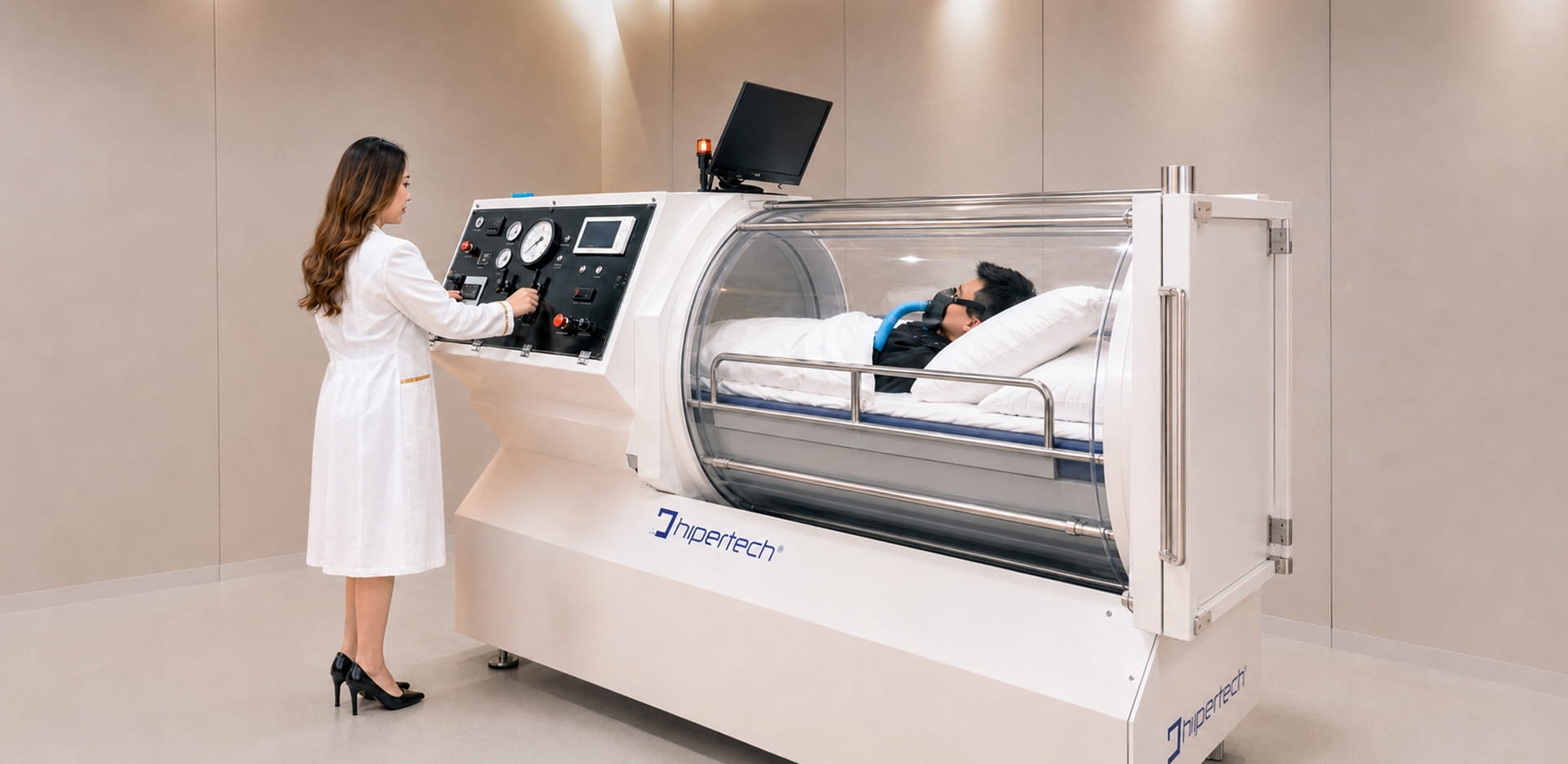
Hyperbaric Oxygen Therapy is a medical treatment in which a patient breathes pure oxygen inside a pressurized chamber — well above normal atmospheric pressure. Each session lasts 60 to 90 minutes inside a dedicated single-person hyperbaric chamber, providing an experience that is calm, private, and fully controlled.
Under high pressure, the amount of oxygen dissolved in blood plasma increases significantly. Unlike normal conditions — where most oxygen is carried by hemoglobin in red blood cells — this dissolved oxygen can diffuse further into various tissues throughout the body.
According to dr. Ravenska Theodora, this is what makes HBOT fundamentally different from conventional oxygen therapy. "With higher pressure, oxygen can reach areas of tissue experiencing hypoxia — oxygen deficiency — which is often the primary reason why the healing process moves more slowly than expected," explains dr. Ravenska Theodora.
Why Is Oxygen So Critical to Recovery?
The human body is a machine that depends on oxygen for almost every aspect of its regenerative process. Damaged cells need oxygen to repair themselves. Inflamed tissue needs oxygen to moderate its inflammatory response. The formation of new blood vessels during healing — a process known as angiogenesis — also relies heavily on adequate oxygen availability.
When the oxygen supply to recovering tissue is insufficient, this entire chain of processes slows down. The body keeps working, but not at full capacity.
dr. Ravenska Theodora explains that oxygen deficiency at the tissue level often goes unnoticed. "Many patients come in with complaints of slow recovery — whether after a medical procedure, an injury, or illness — without realizing that their tissue is actually experiencing oxygen deficiency at a cellular level. HBOT helps address that barrier," says dr. Ravenska Theodora.
Who Is This Therapy Relevant For?
HBOT is not a therapy exclusive to one specific condition. Precisely because its mechanism operates at a very fundamental level — enriching oxygen supply throughout the body's tissue — its relevance spans a wide range of conditions and needs.
For those in recovery after illness or a medical procedure who feel their healing is progressing more slowly than expected, HBOT can serve as a supportive therapy that helps accelerate tissue regeneration from within.
For those experiencing chronic fatigue, brain fog, or declining stamina without a clear medical explanation, the enhanced oxygenation to the brain and nervous system that HBOT provides can support cognitive function and daily energy levels.
For those who are physically active and want to maximize recovery after training or competition, HBOT can be part of a professional athlete's recovery protocol — and is now available at Seraphim Medical Center to that same standard.
dr. Ravenska Theodora emphasizes that a proper medical evaluation remains a non-negotiable first step before undergoing HBOT. "This therapy has specific indications and contraindications that must be assessed individually. The results can be highly significant when given to the right patient, with the right clinical guidance," says dr. Ravenska Theodora.
More Than Just Recovery: Giving Your Body Its Best
Ultimately, HBOT isn't only about speeding up recovery from an existing condition. It's about understanding that a body that functions optimally is a body that receives optimal oxygen — and that the standard of "enough" isn't always the same as the standard of "best."
For those who have already been doing everything right but still feel like their body hasn't fully come back, the answer may not be more medication or more rest — it may be a deeper approach, one that works directly at the level of tissue and cells.
dr. Ravenska Theodora and the team at Seraphim Medical Center are ready to help evaluate whether HBOT is the right step for your current condition.
About Seraphim Medical Center
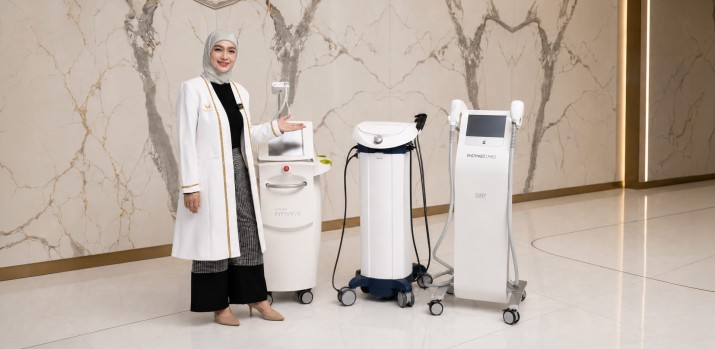
As one of the business units under Bethsaida Healthcare, Seraphim Medical Center is located in Paramount Gading Serpong and offers modern, state-of-the-art facilities including Hyperbaric Oxygen Therapy, Venus Versa, INDIBA, Endymed, Cryo Chamber Therapy, Transcranial Pulse Stimulation (TPS), PicoWay Laser, Fotona Laser, a full range of IV Drip therapies, and many other services.
Seraphim Medical Center adopts a functional medicine approach, focusing on identifying and addressing the root causes of health concerns rather than simply managing symptoms. Its medical services are designed with a personalized approach to help the body function optimally — whether to maintain overall health, support recovery, or enhance quality of life.
Seraphim Medical Center has three integrated centers of excellence: the Wellness Center, Beauty & Aesthetic Center, and Sports & Rehabilitation Center, working together to support a modern and holistic healthy lifestyle.
Related News
view all articles
Discover Brain Wellness & Sleep Center, Seraphim Medical Center's Newest Service

Di Tengah Sebaran Abu Vulkanik, Saatnya Perkuat Daya Tahan Tubuh dari Dalam

Waspada Dampak Abu Vulkanik pada Kulit, Masker Saja Tidak Cukup?