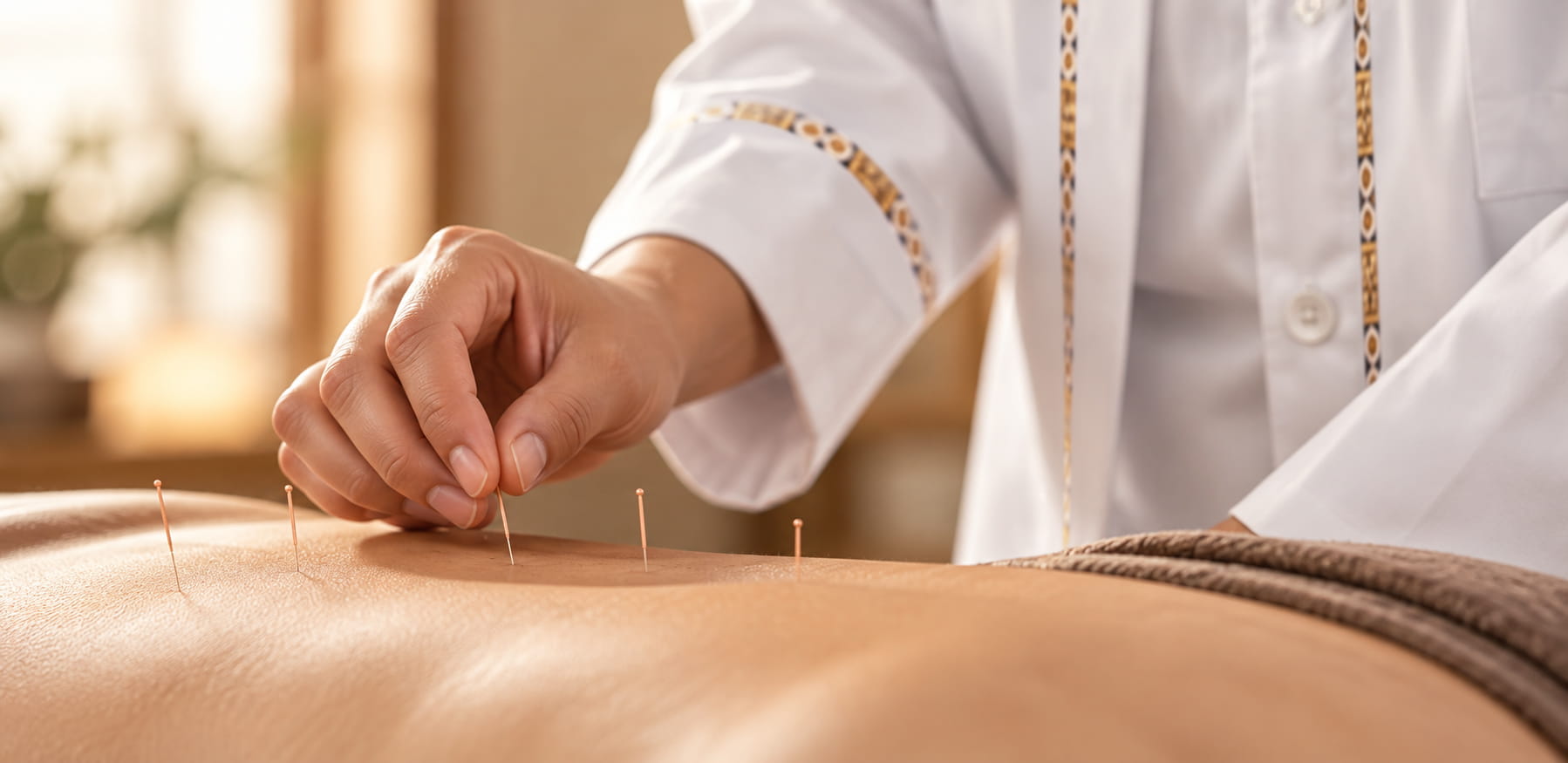
Discover the Newest Acupuncture Service at Seraphim Medical Center
In the midst of a fast-paced lifestyle, more and more people are looking for care approaches that don't just address surface-level complaints, but also take the whole body's condition into account. One approach that has been known for hundreds of years and is now gaining renewed attention is acupuncture, part of Traditional Chinese Medicine (TCM). Responding to this interest, Seraphim Medical Center introduces its newest acupuncture service at the Wellness Center with dr. Michael Wicaksono, M.Med., TCM Acupuncture Specialist.
This service has one thing that sets it apart from the common image of acupuncture: needling is done primarily on the abdominal area, for a wide range of complaints.
Meet dr. Michael Wicaksono, M.Med.
dr. Michael studied medicine at the Faculty of Medicine, Universitas Sebelas Maret, Surakarta, Central Java (2000-2007). He then continued his education at the International Education College, Zhejiang Chinese Medical University, Hangzhou, China (2007-2010), an institution known for its training in traditional Chinese medicine.
His areas of expertise include medical and traditional acupuncture, Traditional Chinese Medicine, medical education, and Wellness Center services. This combination of modern medical education and TCM training forms the basis of his approach to assessing each patient's condition.
"I see acupuncture as an approach that can work alongside modern medicine. My medical background helps me assess a patient's condition objectively, while the TCM approach gives me an additional perspective on the body's balance," explains dr. Michael Wicaksono, M.Med.
A Brief Look at Acupuncture
Acupuncture is a therapy technique that places very thin needles at specific points on the body. In TCM principles, these points are seen as related to the flow of the body's energy, known as qi, and the therapy aims to help maintain its balance.
From a modern medical standpoint, acupuncture is widely studied as a supportive therapy, particularly for various types of pain and metabolic conditions, including obesity, high blood pressure (hypertension), and diabetes. Results vary between conditions and between individuals, so acupuncture is generally positioned as a complement to medical care, not a replacement.
"Acupuncture isn't just about inserting needles. There's a process of assessing the patient's overall condition first, and only then are the points and approach determined," says dr. Michael Wicaksono, M.Med.
A Unique Approach: Needling on the Abdomen
Most people picture acupuncture needles being placed at the area of complaint, for example the back for back pain or the neck for a stiff neck. dr. Michael's approach is different: for a wide range of complaints, needling is focused on the abdominal area.
In TCM theory, the abdomen is seen as the home of the body's various vital organs, each playing an important role in life. For this reason, needling in this area is intended to help regulate the body's condition from its center, rather than only targeting the location of the complaint.
"In the approach I use, the abdominal area is the focus for a wide range of complaints. In TCM principles, the abdomen is considered an important part that influences the body's balance as a whole, so needling in this area can be one way to support the patient's condition," explains dr. Michael Wicaksono, M.Med.
This approach also offers added comfort for some patients. For example, patients whose area of complaint is very painful to touch can still undergo therapy without needles at the painful spot. In addition, patients are positioned lying on their backs and do not need to fully undress, so the session remains comfortable for both the patient and the doctor.
Complaints You Can Consult About
Acupuncture is generally considered as a supportive therapy for patients with complaints such as:
- Recurring muscle and joint pain
- Headaches or stiffness in the neck and shoulder area
- Fatigue and feeling less fit
- Sleep disturbances and everyday stress
- Digestive complaints that affect comfort
- Difficulty losing weight
- Abnormal blood pressure
- Blood sugar levels beyond the normal range
Every condition is different, and not every complaint is suited to acupuncture. That's why an initial assessment by the doctor is always the first step.
"Acupuncture can complement other medical treatments. That's why every patient needs to have a consultation first, so we can make sure this therapy is suitable and safe for their condition," emphasizes dr. Michael Wicaksono, M.Med.
What Does an Acupuncture Session Look Like?
For those who have never had acupuncture, here is a general overview of how a session goes:
- Consultation and Initial Assessment
The doctor asks about the main complaint, medical history, current medications, sleep and eating habits, and the body's overall condition. This information is the basis for determining whether acupuncture is suitable for the patient. - Determining the Treatment Points
Based on the assessment, the doctor decides which points on the abdomen will be needled. - Needling
Very thin, sterile, single-use needles are placed at the chosen points while the patient lies back and relaxes. The sensations felt differ from person to person, usually a mild soreness, warmth, or pressure around the needle points. The needles are left in place for a short while, or electrical stimulation or warming may be added depending on the patient's needs. - Needle Removal and Evaluation
After the session, the needles are removed and the doctor evaluates the patient's response, including determining whether follow-up sessions are needed.
"Every patient comes with a different condition, so the number and frequency of sessions can't be generalized. We evaluate the patient's body response over time," adds dr. Michael Wicaksono, M.Med.
Preparing for an Acupuncture Session
A few simple things can help the session go more comfortably:
- Avoid arriving with a completely empty or overly full stomach. A light meal before the session is generally recommended.
- Wear loose clothing so the abdominal area is easy to access.
- Share your medical history and medications in full, including blood thinners or regular supplements.
- Tell the doctor if you are pregnant, have a pacemaker, or have certain skin conditions on the abdomen.
After the Session: What to Keep in Mind
After acupuncture, some people feel relaxed, while others feel slightly tired or sleepy. Around the needle points, mild redness or small spots sometimes appear and usually fade on their own. Sometimes a purplish bruise may also appear where the needle was inserted, but this is normal, causes no side effects, and will disappear on its own within a few days without any treatment. Give your body time to rest, drink enough water, and avoid strenuous activity right after the session.
If any worrying symptoms appear after therapy, contact the doctor right away. Responses to acupuncture differ between individuals, and the doctor will help assess whether the treatment plan needs adjusting.
How Is It Different from Dry Needling?
Acupuncture and dry needling both use thin needles, so they're often assumed to be the same. However, their foundations differ. Dry needling focuses on muscle tension points (trigger points) based on musculoskeletal anatomy and is available at the Sport & Rehab Center. TCM acupuncture is based on principles of balance in the body within Chinese medicine and is available at the Wellness Center. The doctor will help determine which approach is most suitable for the patient's complaint.
Who Should Be Cautious?
Some conditions require special attention before acupuncture, including:
- Pregnancy
- Blood clotting disorders or use of blood-thinning medication
- Use of a pacemaker
- Infection or wounds on the skin at the area to be needled
- Excessive fear of needles
- Active Hepatitis B, C, or D infection, or HIV-positive status
These conditions don't always mean acupuncture can't be done, but they need to be evaluated by a doctor first.
Part of a Comprehensive Wellness Approach
Acupuncture complements other services at Seraphim Wellness Center, which focus on caring for the body as a whole. Patients can consult about the combination of treatments that suits their individual needs, without having to choose just one approach.
"The ultimate goal isn't just to relieve complaints temporarily, but to help patients feel more balanced and comfortable in the long term, while still taking into account any other medical care they're undergoing," says dr. Michael Wicaksono, M.Med.
Practice Schedule and How to Book
Acupuncture services with dr. Michael Wicaksono, M.Med. are available at Seraphim Medical Center, Gading Serpong, with the following practice schedule:
- Monday: 08.00-13.00
- Thursday: 08.00-13.00
This service is available by prior appointment via WhatsApp at 0822-5011-1999.
Start with a Consultation
If you have complaints that haven't improved, or you'd like to get to know the TCM approach as a complement to your health care, a consultation is the right first step. Schedule a meeting with dr. Michael Wicaksono, M.Med. at Seraphim Medical Center to get an assessment and a treatment plan suited to your condition.
About Seraphim Medical Center
As one of Bethsaida Healthcare's business units, Seraphim Medical Center, located at Paramount Gading Serpong, offers modern, leading-edge facilities such as Cryo Chamber Therapy, TPS, Hyperbaric Oxygen Treatment, PicoWay Laser, Fotona Laser, and more, delivering a functional medicine approach that focuses on addressing root causes rather than just treating symptoms. Seraphim Medical Center develops personalized medical services designed to help the body function more optimally, whether in maintaining health, supporting post-surgical recovery, or improving quality of life. Seraphim Medical Center offers flagship services including Wellness Center, Beauty & Aesthetic Center, Sports & Rehabilitation Center, and Brain Wellness & Sleep Center, all integrated as part of a modern healthy lifestyle.
Related News
view all articles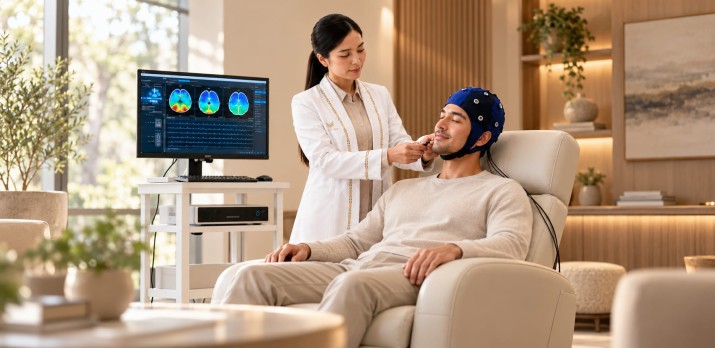
Marking World Mental Health Day: Getting to Know qEEG, a “Map” of Brain Activity That Can Support Early Detection
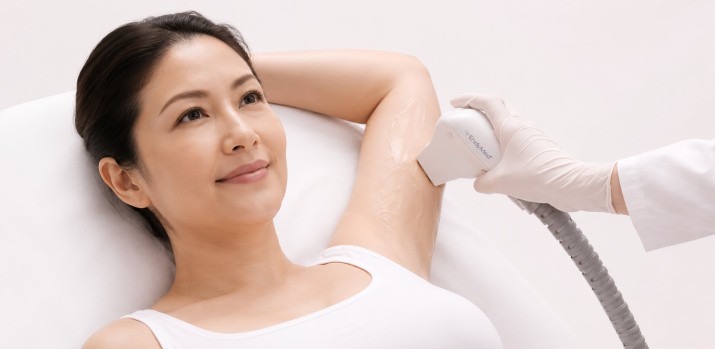
Endymed RF: Teknologi Radiofrekuensi untuk Kontur Tubuh Ideal
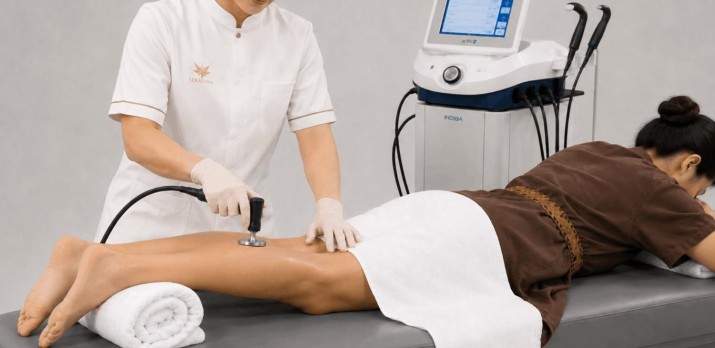
Sudah Rutin Olahraga, Tapi Badan Masih Pegal dan Recovery Terasa Lama? Ini yang Mungkin Tubuhmu Butuhkan