When Is the Right Time for a Facial?
Facials are one of the most popular skin treatments, done by many people for everything from a self-care routine to preparing for an important event. Yet despite their popularity, many people are still unsure how often a facial is actually needed, and whether certain times are better than others. Having facials too rarely can leave skin under-cared for, while having them too often can make skin sensitive or irritated. Read on for the full explanation.
Why Are Facials Important for Skin Health?
Every day, facial skin is exposed to external factors such as pollution, sunlight, dust, and makeup residue that is not always fully removed by everyday cleansing. Over time, this buildup can clog pores, make skin look dull, and trigger skin problems such as blackheads and acne. A facial is a more comprehensive treatment that helps cleanse the skin down to deeper layers that ordinary home care struggles to reach.
“A facial isn’t just about relaxation. It is also an important part of skin care that helps maintain skin health in the long term. The deep cleansing done during a facial is hard to replace with a home skincare routine alone,” said dr. Yuziana, M. Biomed (AAM).
How Often Should You Have a Facial?
The ideal frequency actually depends on each person’s skin type and condition. Here are some general guidelines:
Normal Skin
For those with normal skin and no particular concerns, a regular facial once a month is generally enough to keep the skin clean and healthy.
Oily and Acne-Prone Skin
Skin that tends to be oily and prone to breakouts usually needs facials more often, around every 2-3 weeks, to help control excess oil production and prevent clogged pores.
Dry and Sensitive Skin
People with dry and sensitive skin can still have facials regularly. What matters is not how often, but which type of facial is chosen. A facial that is too aggressive, for example with strong exfoliation, excessive extraction, or overly harsh active ingredients, risks damaging the skin barrier and making skin even more sensitive. So choose a gentle, soothing type of facial, and consult about your skin condition before choosing a treatment.
Combination Skin
For combination skin, the frequency usually falls between the two categories above, depending on which area is more problematic, whether it tends to be oily or dry.
“There is no fixed rule that applies the same way to everyone when it comes to facials. The most important thing is to understand your own skin, because it is not only about how often, but also which type of facial you choose. A facial that doesn’t suit your skin condition can create new problems, such as irritation or a weakened skin barrier. For sensitive skin, Intraceutical is a great fit,” explained dr. Yuziana.
The Right Moments to Have a Facial
Besides your skin type, there are several moments that are also good times to schedule a facial, including:
Before an Important Event
Ahead of a wedding, graduation, or other big event, a facial can help make skin look fresher and glowing. Ideally, the facial is done a few days before the event, not too close to the day, to avoid possible skin reactions such as redness.
Change of Season or Extreme Weather
Weather changes, such as a dry season that tends to make skin drier or a humid rainy season, can affect skin condition. A facial can help the skin readjust to these environmental changes.
When Skin Starts to Feel Dull or Heavy
If your skin starts to feel dull, rough, or tired-looking even though you follow a skincare routine, this can be a sign that it needs additional care in the form of a facial.
After a Period of Stress or Lack of Sleep
Stress and lack of sleep can directly affect skin condition, from breakouts to a duller complexion. A facial can be one way to help restore the skin while also providing a relaxing effect.
Not All Facials Are the Same: Meet the Intraceutical Facial at Seraphim Medical Center
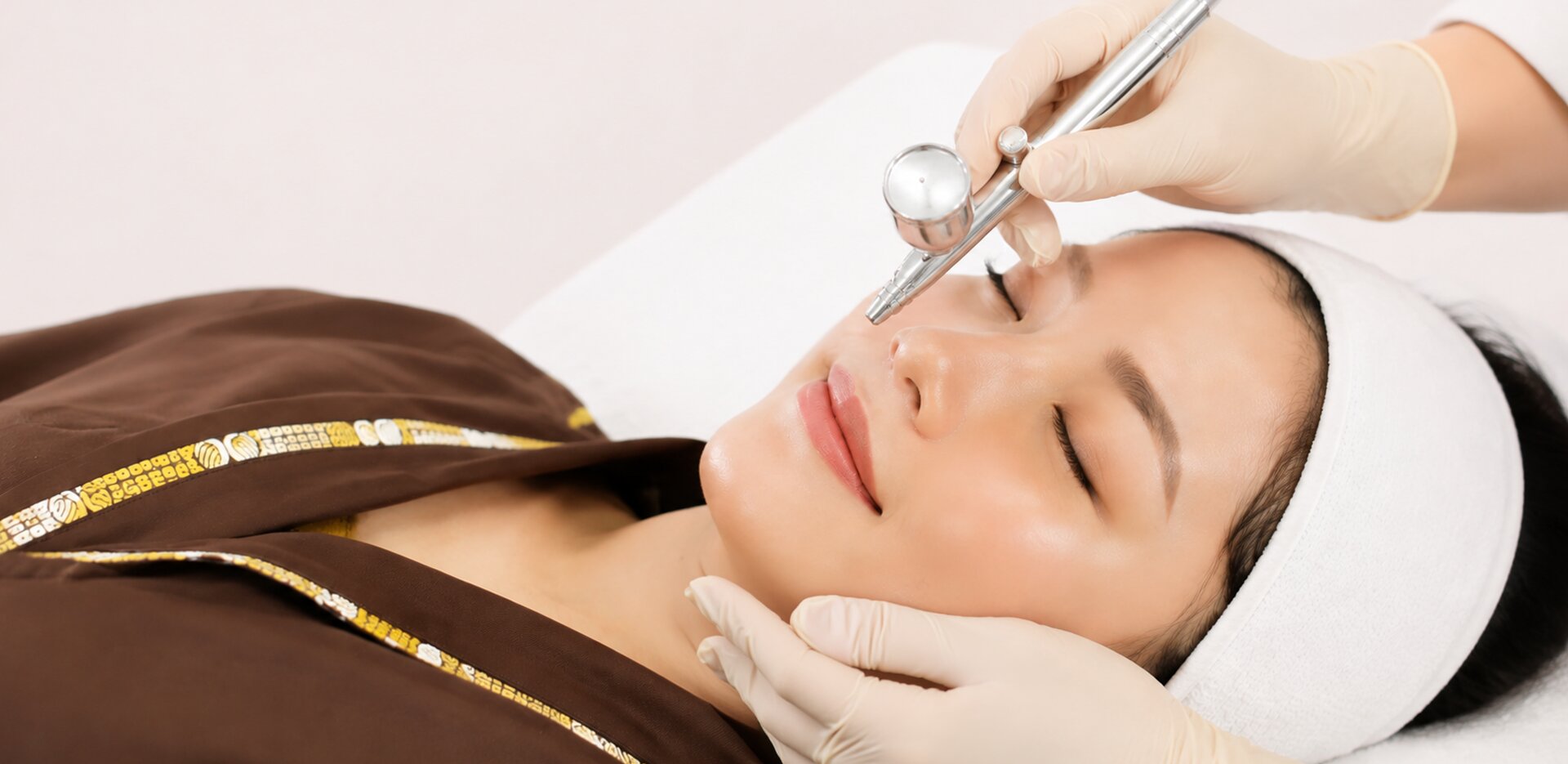
Although facials are generally beneficial, it is important to know that not all types of facials deliver the same results. At Seraphim Medical Center, one of the most popular options is the Intraceutical Facial, a facial technology that uses an oxygen infusion system to deliver active serums directly into the deeper layers of the skin.
“The Intraceutical Facial is different from a conventional facial because it uses special pressure to help deliver serums, such as hyaluronic acid, vitamin C, and antioxidants, directly into deeper layers of the skin. This is what makes the results feel more optimal than an ordinary facial,” explained dr. Yuziana.
What Sets Intraceutical Apart from an Ordinary Facial?
Oxygen Infusion Technology
Active serums are delivered using controlled oxygen pressure, so absorption into the skin can be more optimal than manual serum application.
Serum Ingredients Tailored to Skin Needs
The Intraceutical Facial can use various types of serums, from hyaluronic acid for hydration and vitamin C for brightening to antioxidant boosters that help protect the skin from free radicals, tailored to each patient’s skin condition and needs.
Minimal Risk of Irritation
Because the process is non-invasive and does not involve harsh extraction, the Intraceutical Facial is generally comfortable, even for those with sensitive skin.
More Immediately Noticeable Results
Many patients report that their skin feels plumper, fresher, and more glowing shortly after the session, making it a popular choice before attending an important event.
“Many patients who come ahead of important events such as weddings or graduations choose Intraceutical because the results tend to show faster and the skin feels more hydrated than with a typical facial,” added dr. Yuziana.
An Investment in Healthy, Glowing Skin
The Intraceutical Facial at Seraphim Medical Center is available at Rp 800,000 per session, with serum ingredients that can be tailored to each patient’s skin needs and condition after an initial consultation.
Consult Your Skin’s Needs
Every skin has different needs, so it is important to consult first before deciding on the type and frequency of facial that suits you best. Consult your skin condition with dr. Yuziana, M. Biomed (AAM) at Seraphim Medical Center, and find the right facial treatment for your skin.
dr. Yuziana, M. Biomed (AAM) is ready to assess your skin condition comprehensively, from determining the ideal facial frequency to recommending whether the Intraceutical Facial is the right choice for your needs. Don’t hesitate to schedule a consultation with dr. Yuziana, M. Biomed (AAM) and begin your journey toward healthier, glowing skin.
About Seraphim Medical Center
As a business unit of Bethsaida Healthcare, Seraphim Medical Center, located in Paramount Gading Serpong with modern flagship facilities such as Cryo Chamber Therapy, TPS, Hyperbaric Oxygen Treatment, PicoWay Laser, Fotona Laser, and more, brings a functional-medicine-based approach to health that focuses on root causes, not merely on treating symptoms. Seraphim Medical Center develops medical services designed personally to help the body function more optimally, whether in maintaining health, supporting post-surgery recovery, or improving quality of life. Seraphim Medical Center’s flagship services are the Wellness Center, the Beauty & Aesthetic Center, and the Sports & Rehabilitation Center, which are integrated as part of a modern healthy lifestyle.
Related News
view all articles
A Parkinson’s Patient’s Story from Malaysia: A Journey in Search of Treatment That Led to Seraphim

Stress That Won’t Go Away? Get to Know ExoMind Brain Stimulation Therapy

Discover the Newest Acupuncture Service at Seraphim Medical Center