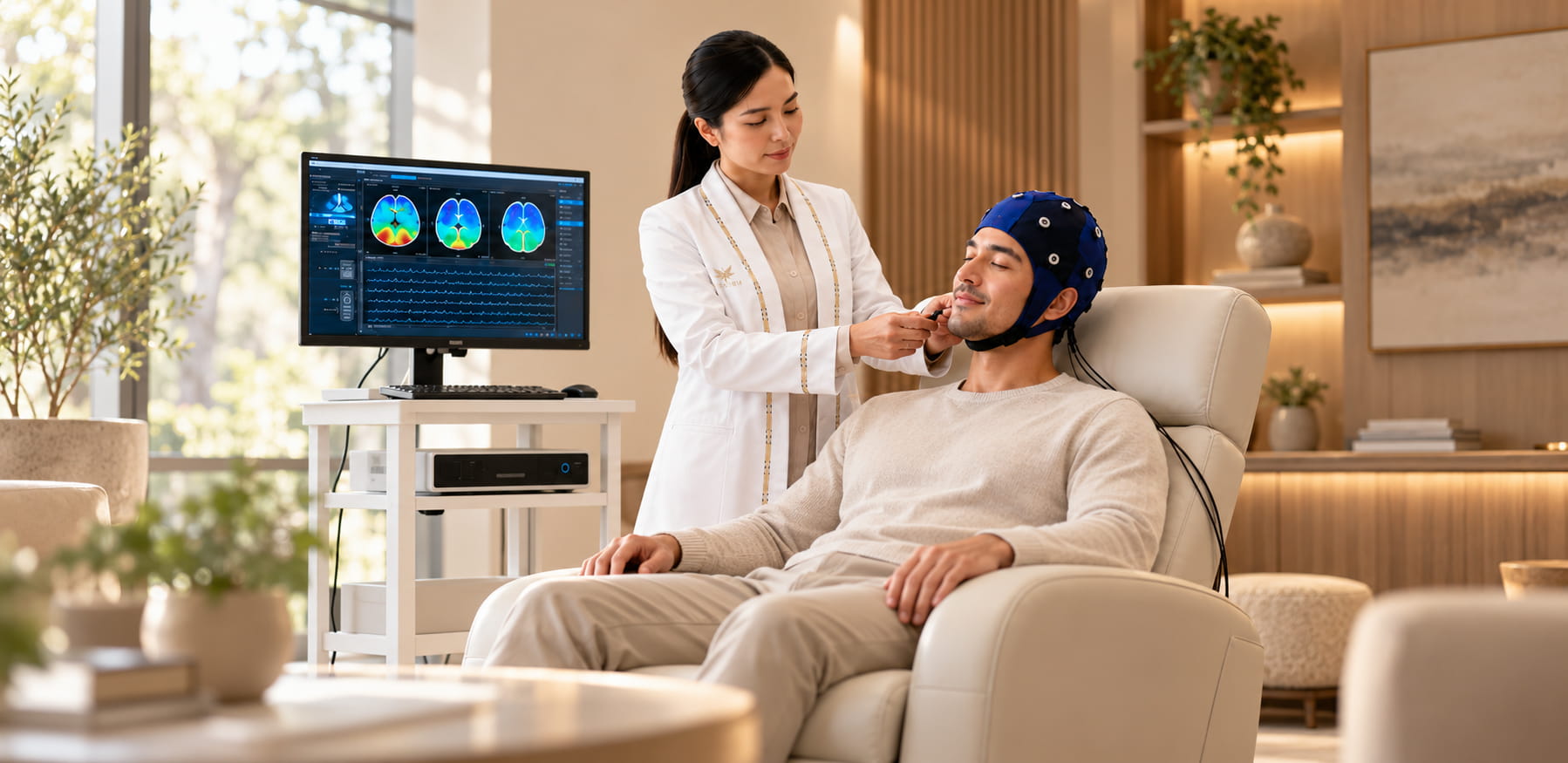
Marking World Mental Health Day: Getting to Know qEEG, a “Map” of Brain Activity That Can Support Early Detection
Every year on 10 October, the world observes World Mental Health Day. It is a reminder that mental health is just as important as physical health, and that it is time to stop waiting until a condition becomes severe before we start paying attention. But one of the biggest challenges in mental health is this: how do we “see” something that happens inside the brain and cannot be seen with the naked eye?
This is where technologies such as qEEG Brain Mapping are increasingly being used as a tool to understand the condition of the brain more objectively.
Why Is Mental Health Often Recognized Too Late?
Unlike a physical wound that is immediately visible, mental health problems often have no clear “sign” at the beginning. Excessive anxiety, difficulty focusing, mood swings, or trouble sleeping are often dismissed as normal consequences of fatigue or having a lot on one’s mind. Yet these symptoms can be signals that something needs further attention.
“Many people wait until their condition seriously disrupts their daily lives before seeking help. In fact, the earlier we understand what is actually happening in our brain and mind, the more treatment options become available,” said dr. Oktaviana Niken P., Sp.N., DAIFIDN., MMRS., FNR., AIFO-K.
What Is qEEG?
qEEG stands for quantitative electroencephalography. The name sounds complicated, but how it works is actually quite simple to understand.
Imagine our brain as a giant power station. At every moment, the nerve cells in the brain “communicate” with each other through tiny electrical signals. qEEG works by recording these electrical signals using sensors placed on the scalp (with no injections or surgery), then converting them into data that can be read and compared.
“Put simply, qEEG is like making a ‘map’ of our brain’s electrical activity. This map is then compared with the brain patterns of people in general, so we can see which areas have patterns that differ from most people,” explained dr. Niken.
How Does the Process Work?
Sensor Placement on the Head
Several small sensors are attached to the surface of the scalp. The process is painless and involves no needles or incisions at all.
Recording Brain Activity
For a few minutes, the patient simply sits and relaxes while the device records the brain’s electrical activity, with both eyes open and closed.
Processing the Data into a Brain “Map”
The recording is then processed by a computer system and converted into a visual image showing patterns of brain activity in various areas.
Comparison with Normative Data
The patient’s brain activity patterns are compared with a database of brain patterns from people in general, making it possible to see which areas show patterns that differ from most people.
“The whole process is comfortable and painless. Patients only need to sit quietly, and there is no need to fear any invasive medical procedure,” added dr. Niken.
Can qEEG Directly “Diagnose” a Mental Disorder?
This is important to understand correctly: qEEG is not a standalone tool for determining whether someone has a particular disorder.
“qEEG gives an objective picture of brain activity, but it still needs to be combined with a medical interview, a direct examination, and sometimes other tests. No single tool can stand alone in drawing conclusions about someone’s condition,” explained dr. Niken.
In other words, qEEG serves as an additional “clue,” not the final answer. Its results help doctors see a more complete picture of a person’s condition before determining the most appropriate course of treatment.
Why Is This Relevant to World Mental Health Day?
One of the spirits of World Mental Health Day is to encourage more people to care about their mental condition early on, rather than waiting until it worsens. Technologies such as qEEG are one step toward making mental health feel more “real” and objectively understandable, rather than just a feeling that is hard to explain.
“Mental health often feels abstract to laypeople because it isn’t visible like a physical wound. With tools like qEEG, we can give a more concrete picture of what is happening in the brain, so people find it easier to understand their own condition and are not afraid to seek help,” said dr. Niken.
Don’t Wait Until It Gets Serious to Start Caring
Coinciding with World Mental Health Day on 10 October, this is the right moment to remind ourselves and those closest to us that understanding the condition of our brain and mind is not something to be put off until a big problem arises. Mild symptoms such as difficulty focusing, being easily anxious, or prolonged trouble sleeping are already reason enough to start consulting.
“Consulting does not mean something is ‘wrong’ with us. On the contrary, it is a way to understand ourselves more objectively, so we can take the right steps earlier,” concluded dr. Niken.
For those who want to understand their brain and mental health more comprehensively, a consultation with dr. Niken at the Brain Wellness & Sleep Center at Seraphim Medical Center can be a good first step.
About Seraphim Medical Center
As a business unit of Bethsaida Healthcare, Seraphim Medical Center, located in Paramount Gading Serpong with modern flagship facilities such as Cryo Chamber Therapy, TPS, Hyperbaric Oxygen Treatment, PicoWay Laser, Fotona Laser, and more, brings a functional-medicine-based approach to health that focuses on root causes, not merely on treating symptoms. Seraphim Medical Center develops medical services designed personally to help the body function more optimally, whether in maintaining health, supporting post-surgery recovery, or improving quality of life. Seraphim Medical Center’s flagship services are the Wellness Center, the Beauty & Aesthetic Center, and the Sports & Rehabilitation Center, which are integrated as part of a modern healthy lifestyle.
Related News
view all articles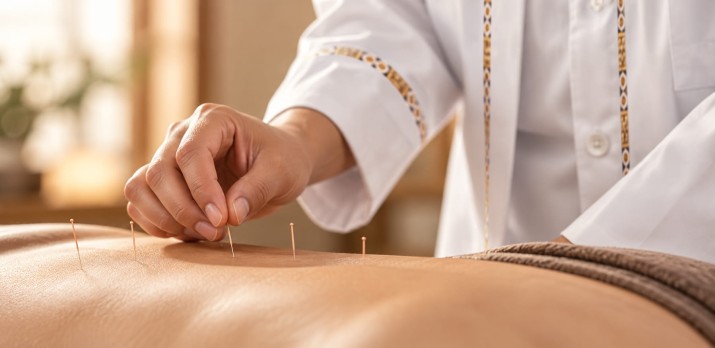
Discover the Newest Acupuncture Service at Seraphim Medical Center
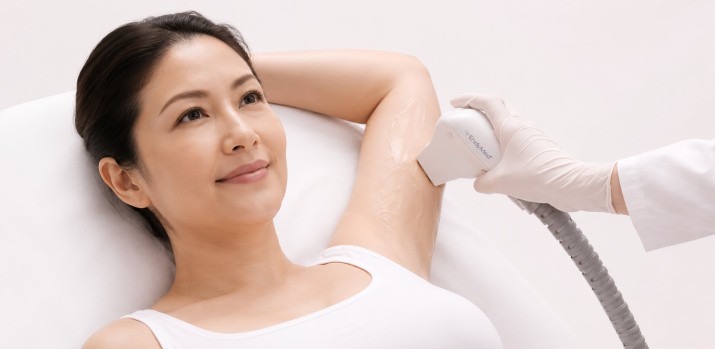
Endymed RF: Teknologi Radiofrekuensi untuk Kontur Tubuh Ideal
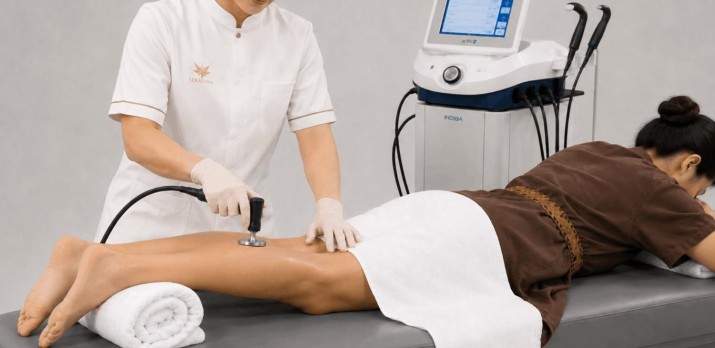
Sudah Rutin Olahraga, Tapi Badan Masih Pegal dan Recovery Terasa Lama? Ini yang Mungkin Tubuhmu Butuhkan